By the time the first hard frost hits central Pennsylvania, it is already too late to fix most of what fall weather exposes. The cracks that opened during summer heat, the low spots that started holding water in September rain, the sealcoat that wore thin over a full season of traffic, all of it needs attention before the ground freezes, not after.
Property managers and business owners across Milton, Sunbury, Williamsport, and the surrounding area have a narrow window each fall to get ahead of winter damage. Miss it, and the same problems that could have been handled with routine maintenance turn into full repairs once spring arrives.
In this article:
- Why Fall Is the Real Deadline for Pavement Maintenance in Pennsylvania
- What Freeze Thaw Cycles Actually Do to Untreated Cracks
- Where Water Pools First and Why That Matters Before Winter
- Why Sealcoating Has a Hard Cutoff Once Temperatures Drop
- How Faded Line Striping Becomes a Bigger Risk During Shorter Winter Days
- What a Pre-Winter Pavement Walkthrough Should Cover
- Why Waiting Until Spring Almost Always Costs More
- The Central Pennsylvania Fall Pavement Checklist at a Glance
- Frequently Asked Questions
- When to Schedule Fall Paving Work Before the Ground Freezes
Why Fall Is the Real Deadline for Pavement Maintenance in Pennsylvania
Most property managers think of spring as the season for pavement repairs, since that’s when winter damage becomes obvious. But by spring, the damage has already happened. Fall is the season that actually determines how much of it occurs in the first place.
Central Pennsylvania sees repeated cycles of freezing nights and warmer days throughout late fall and into winter. Every one of those cycles works on whatever weaknesses already exist in the pavement. A property that enters winter with sealed cracks, a properly compacted surface, and good drainage will come through those cycles in far better shape than one that enters winter with open cracks and standing water.
That makes the fall maintenance window less about a seasonal to-do list and more about deciding how much winter is allowed to cost a property in the spring.
What Freeze Thaw Cycles Actually Do to Untreated Cracks
Water is the mechanism that turns a minor crack into a major repair, and freeze thaw is what gives it the power to do that.
When water works its way into an open crack and temperatures drop below freezing, it expands as it turns to ice. That expansion pushes outward against the surrounding asphalt, widening the crack from the inside. As temperatures rise again during the day, the ice melts, the water settles deeper into the pavement structure, and the cycle repeats overnight. Each freeze and thaw cycle pries the crack open a little further and lets more water reach the base layer underneath.
Once water reaches the base, the real damage begins. A weakened base can no longer support the surface layer evenly, which is how a single unsealed crack in October turns into a section of crumbling pavement or a full pothole by February. Crack sealing before the first hard freeze closes that entry point while it’s still cheap and straightforward to treat.
Where Water Pools First and Why That Matters Before Winter
Not every part of a parking lot or access road drains the same way, and the areas that pool water in a fall rainstorm are the same areas that will cause problems all winter.
Low spots near drain inlets, areas where the original grading has settled over time, and sections near curb lines that have started to separate from the pavement edge are common trouble spots. Water that collects in these areas during fall rain has nowhere to go, so it sits against the pavement surface for hours or days at a time. Once temperatures drop, that standing water freezes, and the same expansion that widens cracks also works on any weak spot beneath a puddle.
Walking a property specifically during or right after a fall rain, rather than only on dry days, is one of the most effective ways to identify these problem areas before they become ice hazards for pedestrians and vehicles alike.
Why Sealcoating Has a Hard Cutoff Once Temperatures Drop
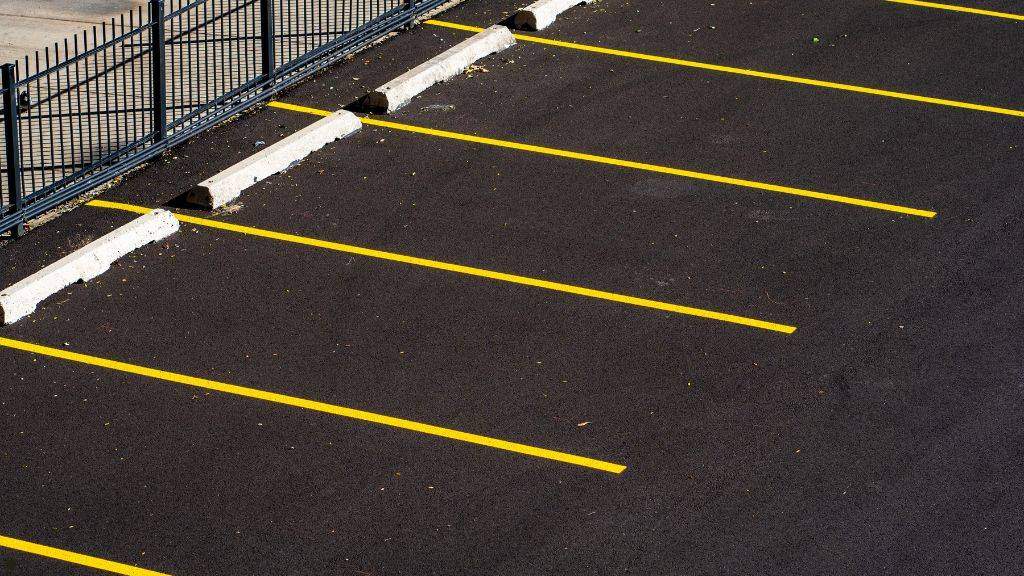
Sealcoating is a temperature-sensitive process. The material needs enough warmth in the air and in the pavement surface to cure properly, which means there’s a real cutoff date each fall after which the work either has to wait until spring or risks failing to bond correctly.
This is where timing catches a lot of property managers off guard. A sealcoating request that comes in during the first cold snap of November is often already too late for that season. The crews at Mike Young Paving, who have maintained commercial pavement across Milton, Sunbury, and the surrounding central Pennsylvania region since 1987, generally recommend getting sealcoating and crack sealing scheduled well before the first frost risk of the season rather than waiting for a specific date, since fall weather in this region can turn quickly.
Property owners who wait too long into fall aren’t just risking a delayed project. They’re risking a full winter of unprotected pavement, since a sealcoat applied too late in the season may not cure well enough to provide real protection anyway.
How Faded Line Striping Becomes a Bigger Risk During Shorter Winter Days
Line striping doesn’t fail the way asphalt does. It simply fades, and a summer of sun exposure often leaves markings noticeably dimmer by the time fall arrives.
That fading becomes a real safety issue once winter shortens the days and adds snow cover, wet pavement, and headlight glare into the mix. Faded parking lines, worn crosswalk markings, and dim directional arrows are hard enough to see in daylight. Under winter conditions, with snow partially covering the lot and drivers relying on markings in low light, faded striping stops being a cosmetic issue and starts being a liability concern.
Refreshing line striping in the fall, while the pavement is still dry and warm enough for the paint to cure properly, means the markings are at their most visible right when winter conditions make visibility hardest.
What a Pre-Winter Pavement Walkthrough Should Cover
A thorough fall walkthrough should treat every paved surface on the property as worth checking, not just the main lot.
That includes drive lanes, loading areas, employee and visitor parking sections, and any access roads or driveways connecting to the main property. Each area should be checked for active cracking, low spots that collect water, faded or peeling markings, and any section where the pavement edge has separated from a curb or gutter. Areas near downspouts and drain inlets deserve particular attention, since they combine two of the biggest fall risk factors: standing water and repeated freeze thaw exposure.
Documenting each issue with a photo and location note gives a paving contractor a clear scope of work to quote against, rather than a general request to “look at the parking lot,” which often leads to missed problem areas.
Why Waiting Until Spring Almost Always Costs More
It’s tempting to push pavement maintenance into next year’s budget once the weather turns cold, but that decision usually costs more than it saves.
A crack that would have taken a straightforward crack sealing treatment in October, left untreated through a full winter of freeze thaw cycles, often requires a section of asphalt repair or patching by spring instead. A drainage issue that could have been addressed with minor grading work becomes a pothole that forms right where water collected all winter. And a parking lot that needed sealcoating in the fall may need it done twice, since a full winter of exposure without protection accelerates the oxidation and wear that sealcoating is meant to slow down.
The math almost always favors addressing issues in the fall, when the scope of work is smaller and the pavement is still in a condition to respond well to routine maintenance.
The Central Pennsylvania Fall Pavement Checklist at a Glance
For property managers who want a quick reference before scheduling a fall walkthrough, here’s what to check:
- Walk the entire property, including drive lanes, loading areas, and access roads, not just the main lot
- Check for active cracking, especially near expansion joints and pavement edges
- Identify low spots and areas near drains where water pools during rain
- Note any faded or peeling line striping, crosswalks, or directional markings
- Look for pavement edges separating from curbs or gutters
- Schedule crack sealing and sealcoating early enough to allow proper curing time
- Photograph and log each issue with its location for contractor scheduling
- Get repairs or maintenance on the calendar before the first hard frost of the season
Frequently Asked Questions
How late in the fall can crack sealing be done?
Crack sealing needs warm enough conditions for the sealant to bond properly, so it’s best scheduled well before the first sustained cold snap of the season rather than waiting until temperatures have already dropped.
Is sealcoating worth doing right before winter?
Yes, as long as it’s completed early enough in the fall to cure fully. Sealcoating applied too close to winter, without enough warm weather left to cure, may not provide the protection it’s intended to.
Does line striping need to be redone every fall?
Not every property needs it every year, but striping that has visibly faded over the summer should be refreshed in the fall, while conditions still allow the paint to cure properly and before shorter winter days make visibility a bigger concern.
Can commercial paving work happen while a business stays open?
In many cases, yes. Sealcoating, crack sealing, and smaller repair sections can often be phased or scheduled around business hours to minimize disruption to daily operations.
What’s the biggest fall maintenance mistake commercial properties make?
Waiting until a problem is visible from the road. Cracks, faded markings, and drainage issues are far less expensive to address before winter than after a full season of freeze thaw cycles has made them worse.